Intestinal Mucosal Immunity
I-Evaluating the effect of antibiotics in the induction of regulatory cells.
Antibiotic treatment can alter the microbial ecosystem by affecting intestinal T cell populations. Our objectives are:
1- To evaluate the frequency and phenotype of regulatory populations after oral administration of azithromycin, a frequently dispensed antibiotic in our environment.
2- To study the soluble signals that mediate the effects of the antibiotic.
II-Studying the “microbiota-host” mutualism in birds (Coturnix coturnix) and mammals (Mus musculus).
The microbiota regulates host physiology, metabolism and immune function. Our objective is to evaluate the effects of the intestinal microbiota on the morphology and functionality of the tract in two divergent colonization models: Birds and Mammals.
III-Evaluate the effects of Chitosan using organoid cultures.
Chitosan (Q) is derived from the deacetylation of chitin, the second most abundant polysaccharide in nature. The administration of Q improves the function of the intestinal barrier and stimulates mucus production. We propose to standardize the culture of intestinal organoids to study the effects of Q using cells from WT mice deficient in molecules that could mediate the activity of the polysaccharide.
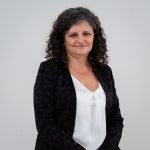
She carried out her postdoctoral work between 1992 and 1994, at the Department of Molecular Neuroendocrinology-Max Planck Institute fur Experimentelle Medizin. Goettingen, Germany
She has participated in various management activities, among which the following stand out: Director of the Master’s Degree in Immunology- UNSL, Director of the Specialization in Immunology (FCQ-UNC), Secretary of the Argentine Society of Immunology in 2021, and Vice President of ECUAFYB in 2022-2023. Since 2021, she has been working as Vice Dean at FCQ-UNC.
She is a member of the CONICET Researcher Career since 1998, currently as Principal Researcher at CIBICI. In addition, she is a professor in the Departmento de Bioquímica Clínica, FCQ-UNC, holding the position of Full Professor (DS) since 2019, in the subject Immunoneuroendocrinology.
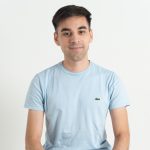
He has a CONICET Scholarship to carry out his PhD in Biological Sciences at FCEFYN-UNC, under the direction of Dr. Silvia G. Correa. His work addresses the comparative study of the configuration of the “microbiota-host” mutualism in birds (Coturnix coturnix) and mammals (Mus musculus): local immunoneuroendocrine effects on the intestinal mucosa and systemic.
In addition, he is a professor in the Department of Clinical Biochemistry FCQ-UNC, occupying the position of Assistant Professor in the subject Immunoneuroendocrinology.
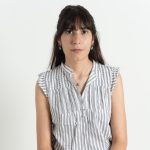
She has a CONICET Scholarship to carry out her PhD in Chemical Sciences at FCQ-UNC, under the direction of Dr. Silvia G. Correa. Her thesis addresses the study of the effect of antibiotic administration on the regulation of the immune system of the intestinal mucosa.
In addition, she is a professor in the Departmento de Bioquímica Clínica FCQ-UNC, holding the position of Assistant Professor in the subject Immunoneuroendocrinology.
She is a CONICET Postdoctoral Fellow, under the direction of Silvia G. Correa as director, and Carina Porporatto as Co- Director. She is doing her postdoctoral work at the FCQ-UNC and her research addresses the topic “Evaluation of the biological effects of Chitosan and Quito-oligosaccharides in the intestinal mucosa using mouse enteroids.
 Collaborators and Partners
Collaborators and Partners
Selected Publications
- Vitozzi S, Correa SG, Lozano A, Fernández EJ, Quiroga R. A novel missense mutation in the AIRE gene underlying autoimmune polyglandular syndrome type 1. Immunogenetics. 2023 doi: 10.1007/s00251-023-01324-6.
- Maccio-Maretto L, Piqueras V, Barrios BE, Romagnoli PA, Denning TL, Correa SG. Luminal bacteria coated with IgA and IgG during intestinal inflammation as a new and abundant stimulus for colonic macrophages. Immunology. 167(1):64-76. 2022.
- Fernandez ME, Nazar FN, Moine LB, Jaime CE, Kembro JM, Correa SG. Network analysis of inflammatory bowel disease research: towards the interactome. J Crohns Colitis. 16(11):1651-1662. 2022.
- Moine L, Canali MM, Porporatto C, Correa SG. Reviewing the biological activity of chitosan in the mucosa: focus on intestinal immunity. Int J Biol Macromol. 189:324-334. 2021.
- Barrios BE, Maccio Maretto L, Nazar FN, Correa SG. A selective window after the food-intake period favors tolerance induction in mesenteric lymph nodes. Mucosal Immunol. 12(1):108-116. 2019.
- Vanden Braber NL, Novotny Nuñez I, Bohl L, Porporatto C, Nazar FN, Montenegro MA, Correa SG. Soy genistein administered in soluble chitosan microcapsules maintains antioxidant activity and limits intestinal inflammation. J Nutr Biochem. 62:50-58. 2018.
- Pedrotti LP, Barrios BE, Maccio-Maretto L, Bento AF, Sena AA, Rodriguez-Galán MC, Calixto JB, Correa SG. Systemic IL-12 burst expands intestinal T-lymphocyte subsets bearing the α₄ β₇ integrin in mice. Eur J Immunol. 46(1):70-80. 2016.
- Nazar FN, Barrios BB, Kaiser P, Marin RH, Correa SG. Immune neuroendocrine phenotypes in Coturnix coturnix: do avian species show LEWIS/FISCHER-like profiles? PlosOne 10(3): e0120712. 2015.
- Canali MM, Pedrotti LP, Balsinde J, Ibarra C, Correa SG. Chitosan enhances transcellular permeability in human and rat intestine epithelium. Eur J Pharm Biopharm. 2012;80(2):418-25.
- Porporatto C, Bianco ID, Correa SG. Local and systemic activity of the polysaccharide chitosan at lymphoid tissues after oral administration. J Leukoc Biol. 78(1):62-9. 2005.